Resources
Resources
Plain-language guides to the rules that govern biological sample transport.

Sectors
Food Export Analysis: Shipping Samples That Certificates Depend On
An export certificate is only as good as the laboratory result behind it — and the result is only as good as the sample that arrived.
Sectors
Maritime Crew Drug & Alcohol Testing: Custody at the Berth
OCIMF vetting and charter clauses make crew testing a documentary discipline — from the gangway to the accredited laboratory.
Sectors
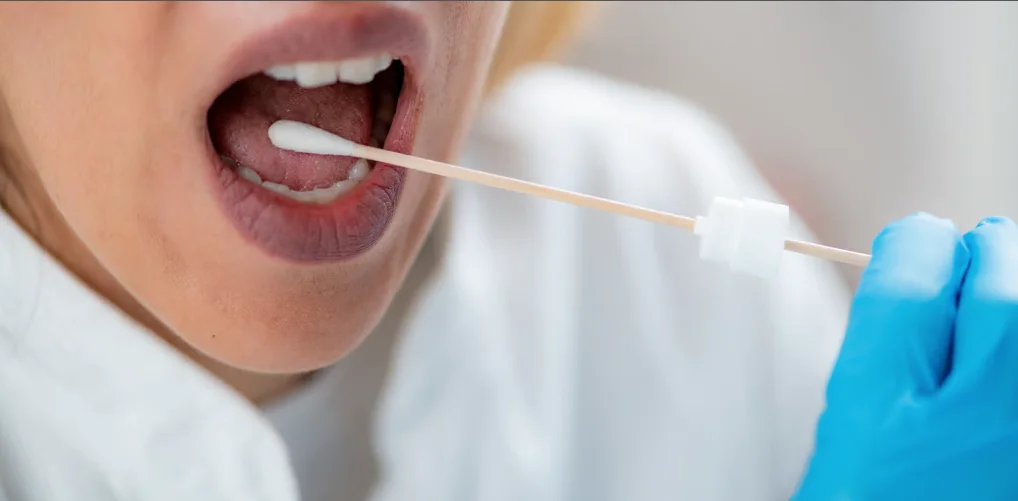
Rabies Titer Tests and Pet Travel: Shipping the Sample That Moves the Pet
EU pet travel rules make the rabies antibody titer a gate — and the blood sample has to reach an EU-approved laboratory in time.
Sectors
Immigration DNA Testing: How Cross-Border Collection Actually Works
Embassies request DNA evidence with strict custody rules. From the instruction letter to the embassy receiving results — the full path.

Permits & customs
Importing Samples into the USA: CDC, USDA, and CITES in One View
Three different US agencies can each require a permit before your sample lands — depending on what it is and where it came from.
Permits & customs
Exporting Biological Material from Türkiye: The Permit Path
Turkish legislation routes biological material exports through the Ministry of Health system. Here is how the process works and how long each stage really takes.

Temperature & packaging
Ambient, 2–8 °C, −20 °C, −80 °C, LN2: Choosing the Right Lane
The temperature lane is the first decision in sample logistics — it drives packaging, coolant, cost, and which laboratories can even receive your material.

Temperature & packaging
Dry Ice (UN 1845): Rules That Keep Frozen Shipments Frozen
Dry ice is a dangerous good that sublimates ~1–2% per hour. Sizing it for the real transit time is the whole game.
Regulations
Category A vs Category B: Which One Is Your Sample?
The classification decides packaging, paperwork, cost, and whether a carrier accepts the shipment at all. Here is how to tell them apart.